
12/20/2006
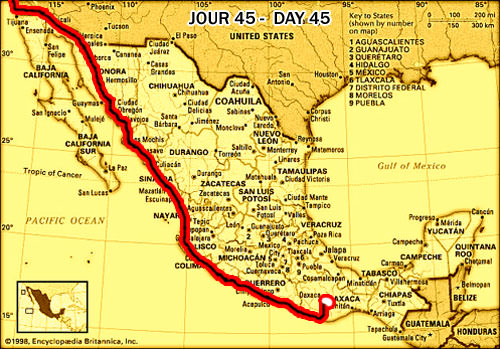
Monte Albán, Oaxaca - Mexico - 8172 miles
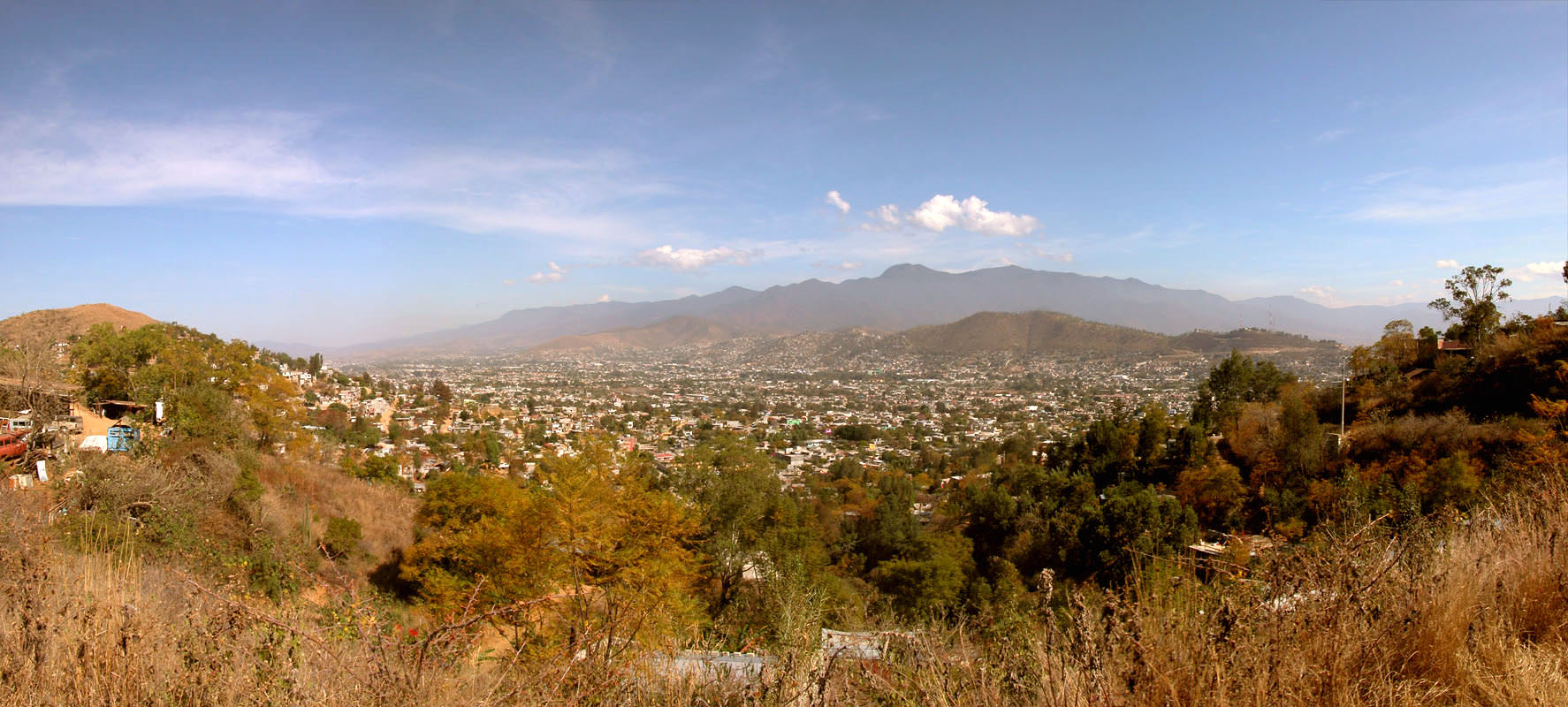
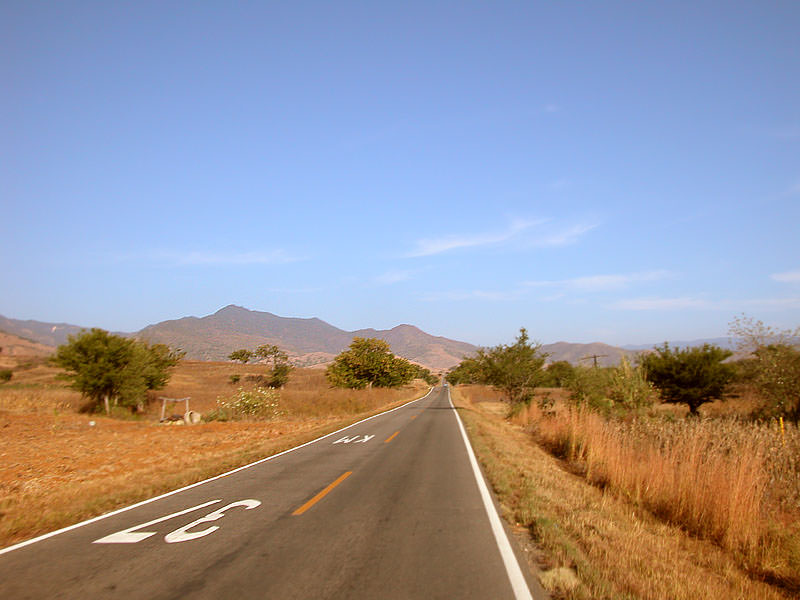
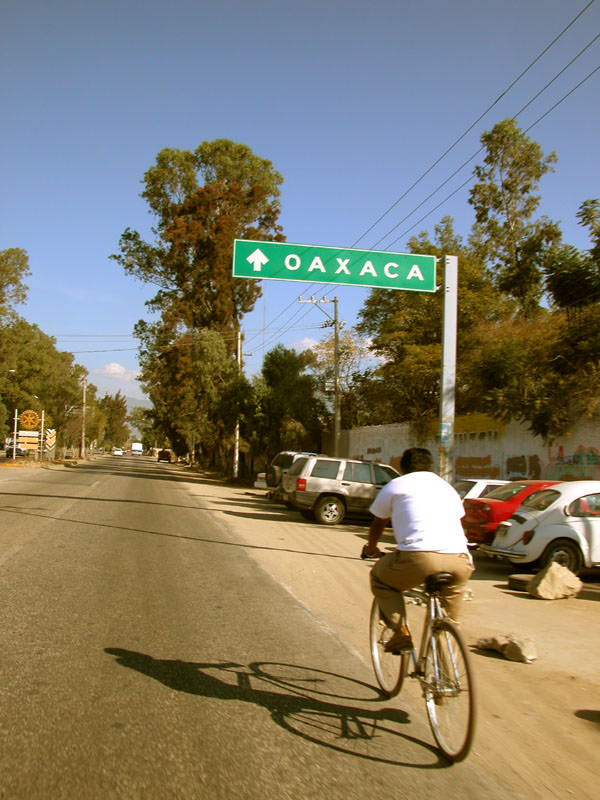
On our way to Oaxaca! Our German friends left a little earlier than we did. To sum up the facts for you, Oaxaca has lately been in a certain crisis, from May until December, in fact. More than a million students, mostly from poor families, were kept out of school because of the strike by the roughly 70,000 teachers in the state of Oaxaca.
This rebellion was the expression of deep social discontent in this Mexican state, one of the most underdeveloped, along with neighboring Chiapas. " Oaxaca is a state made of poverty and social injustice that generate a great number of social movements, but none had ever reached this scale, " notes Porfirio Santibanez, of the Institute for Research in the Human Sciences at Benito Juarez University of Oaxaca. Governor Ulises Ruiz, of the Institutional Revolutionary Party (PRI), Mexico's former hegemonic party, was the target of all the accumulated resentment, and the protesters were demanding nothing less than his head. So, in short, that's what the conflict was about. But what set it all off was that, as every year, the teachers mobilized at the end of May to demand better social recognition. The riot police's intervention to clear them out three weeks later simply radicalized the movement!
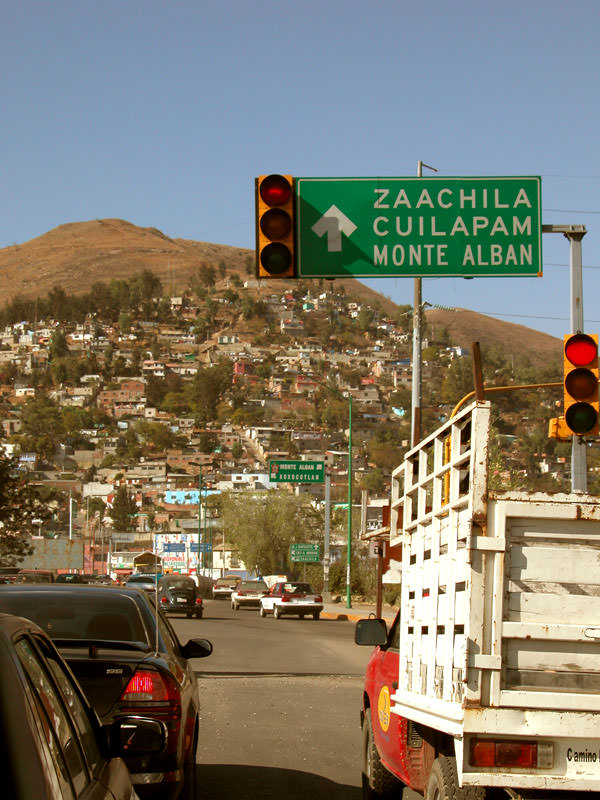
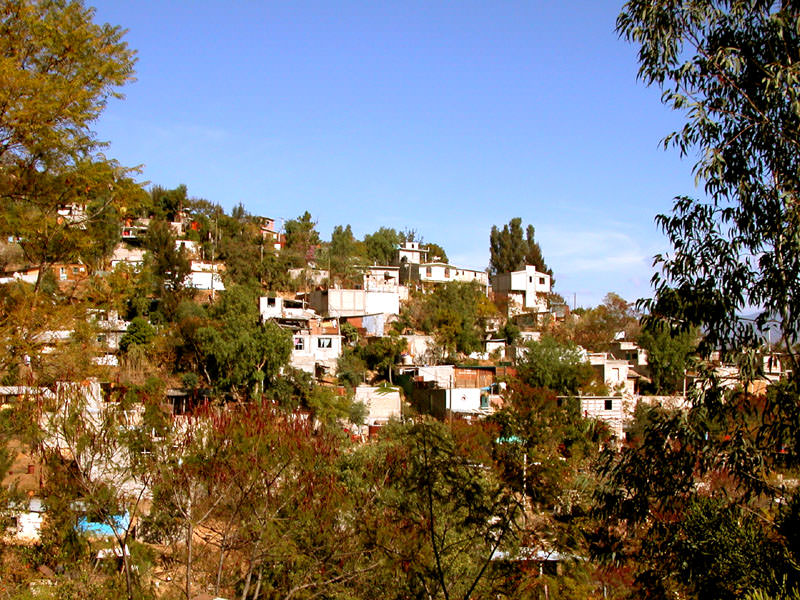
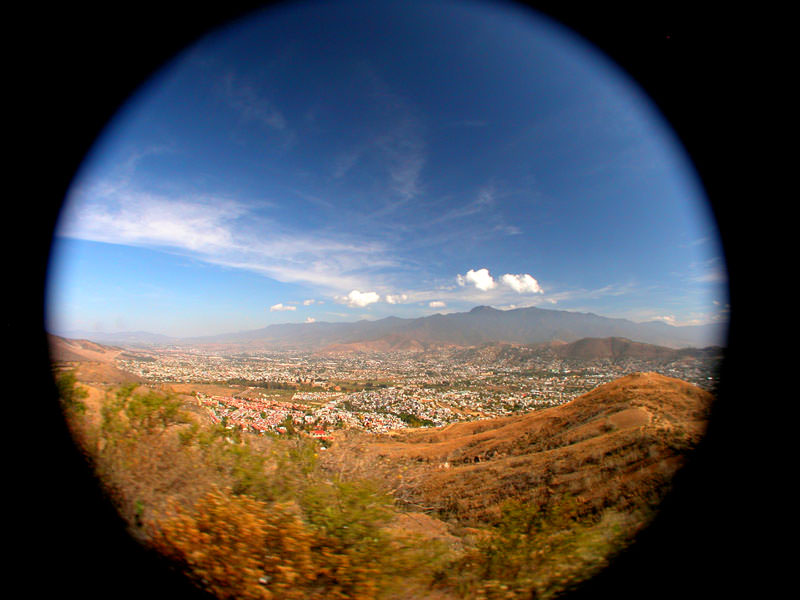
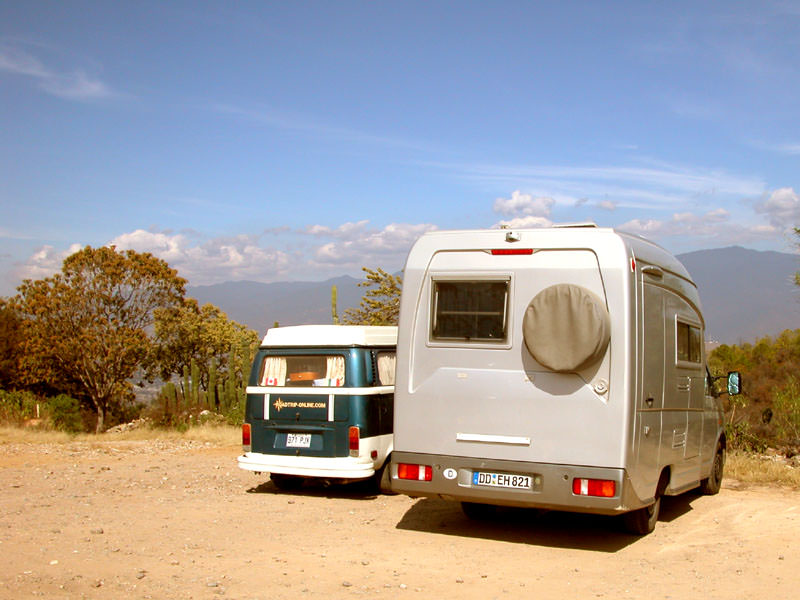
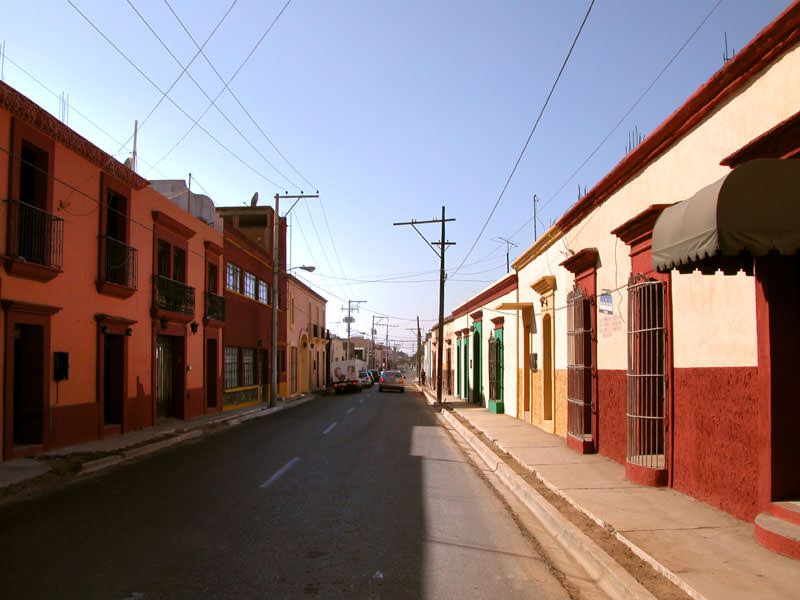
Anyway, it's one of the most beautiful cities we've visited so far! You'd never believe there were armed clashes or 9 deaths — people seem to live peacefully, with a smile. We tried to find the signs to get to Monte Albán, which aren't always obvious. But after wandering around town a bit, we finally found the right road!
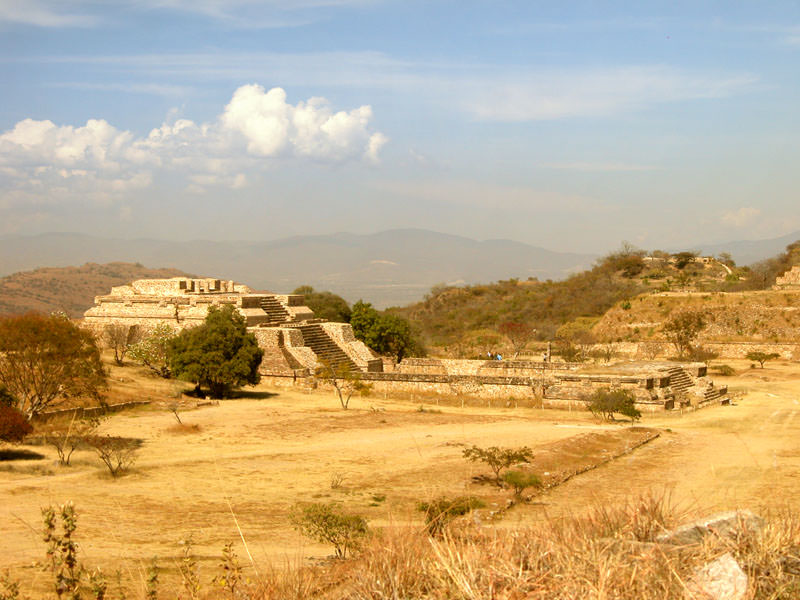
Quite a road — sometimes really very narrow — but the view of Oaxaca and the surrounding area is simply incredible! A little history now, to tell you about the ancient Zapotec city.
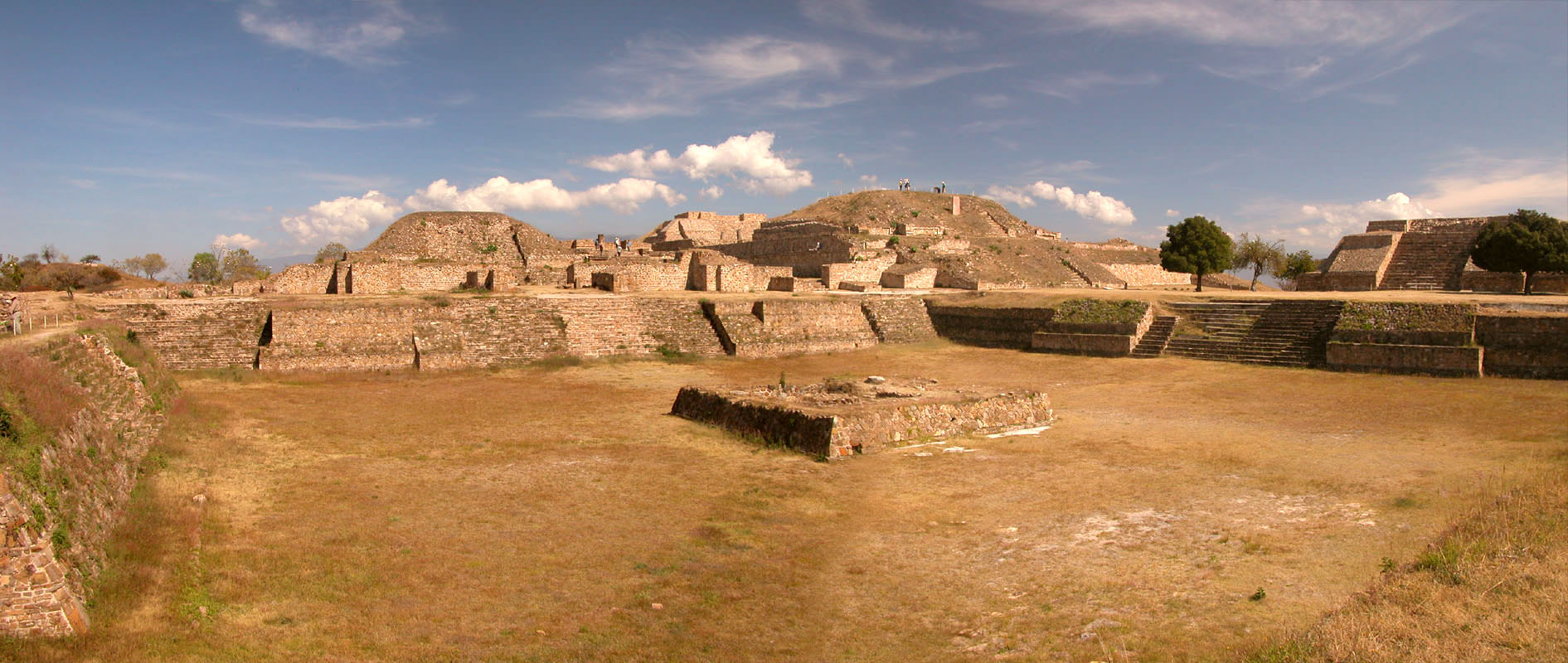
First of all. Monte Albán sits at just over 2,000 meters of altitude, in the green valley of Oaxaca. This city was founded by the Zapotecs in 500 B.C. and grew over the 3 centuries that followed. The civilization that lived there is, along with Teotihuacan and the Olmecs, the one that most influenced the peoples of the Mesoamerican region. This city was very advanced militarily, as its geographic location shows, by the way — from there you can see everything for dozens and dozens of kilometers around.
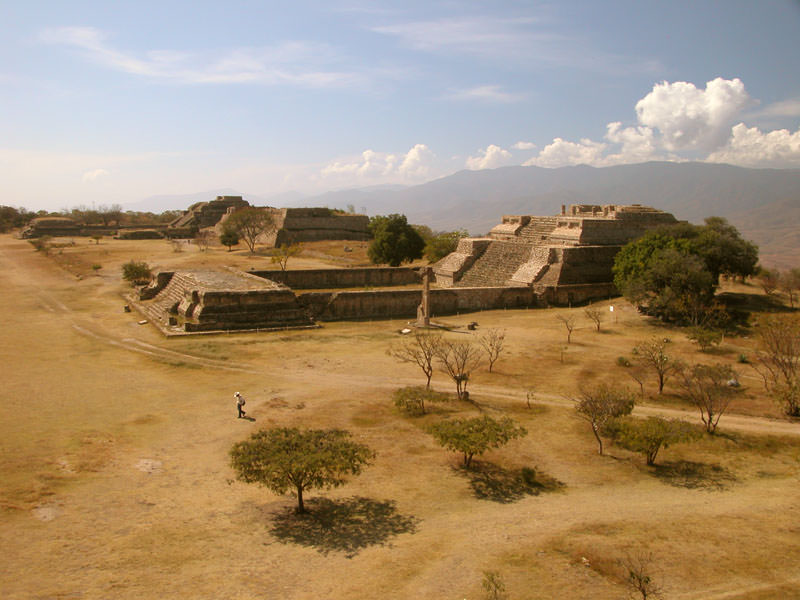
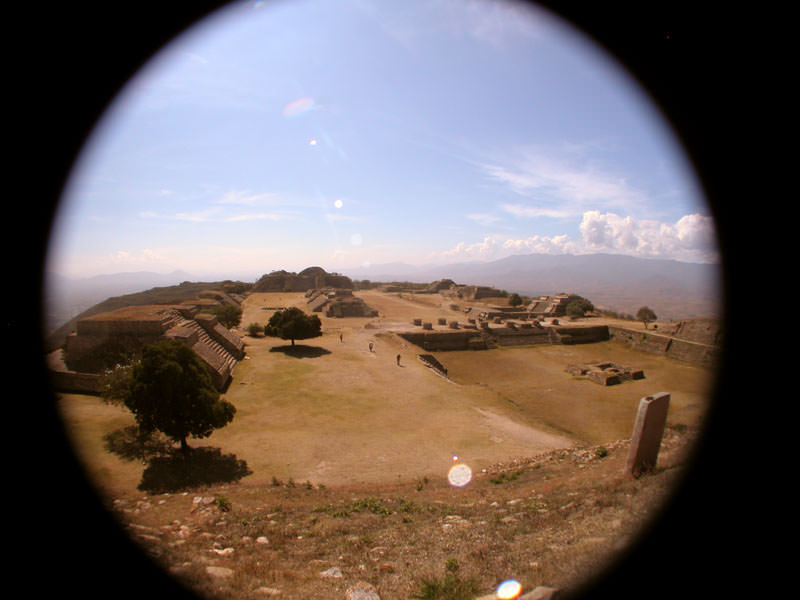
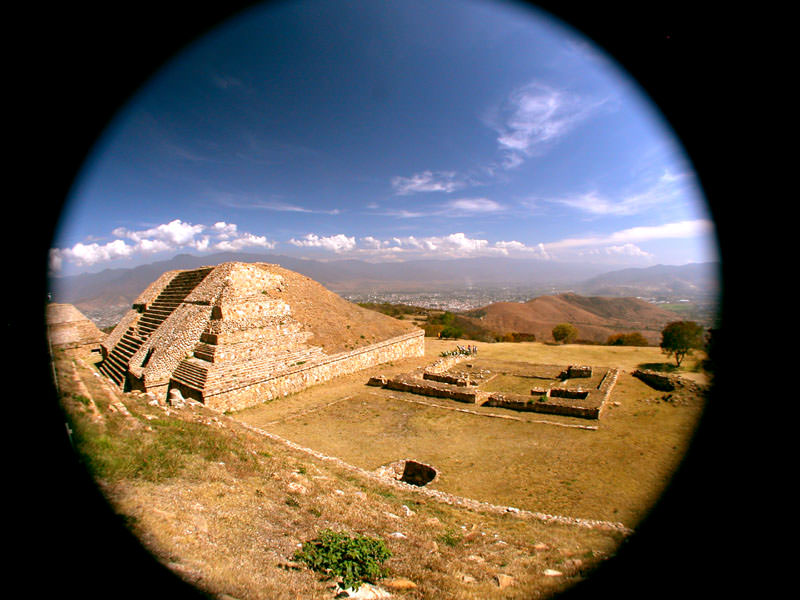
It was also a very active intellectual and artistic center, and to prove it, one of the buildings was dedicated to astronomy, to observing the sky. That made it possible, among other things, to determine agricultural cycles, predict the changing seasons, and determine when a rainy season was near. And also to determine the ideal time to harvest certain medicinal plants — and finally, as a result of all these observations, the main streets, avenues, and plazas were built according to the cardinal points.
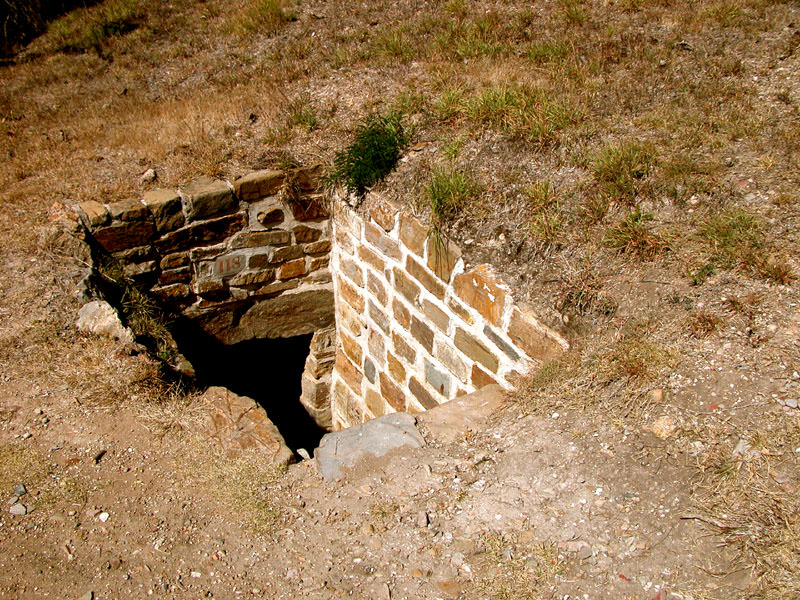
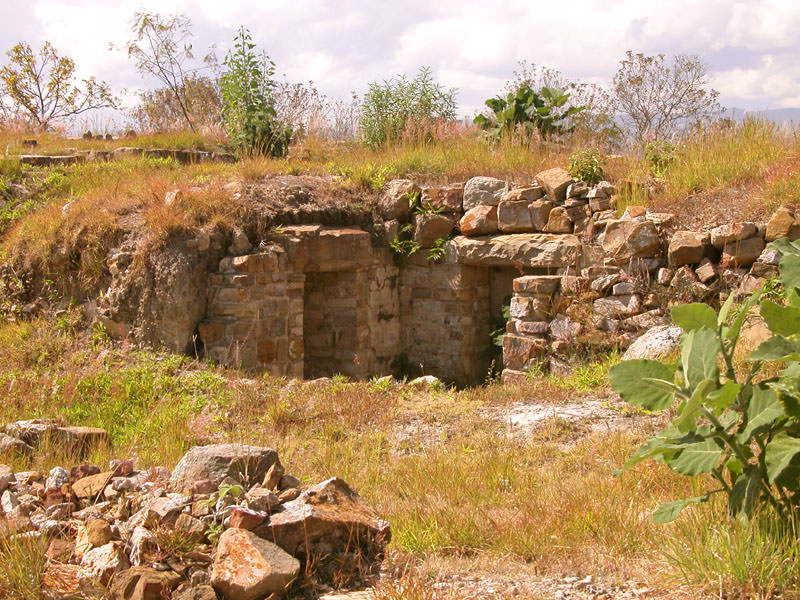
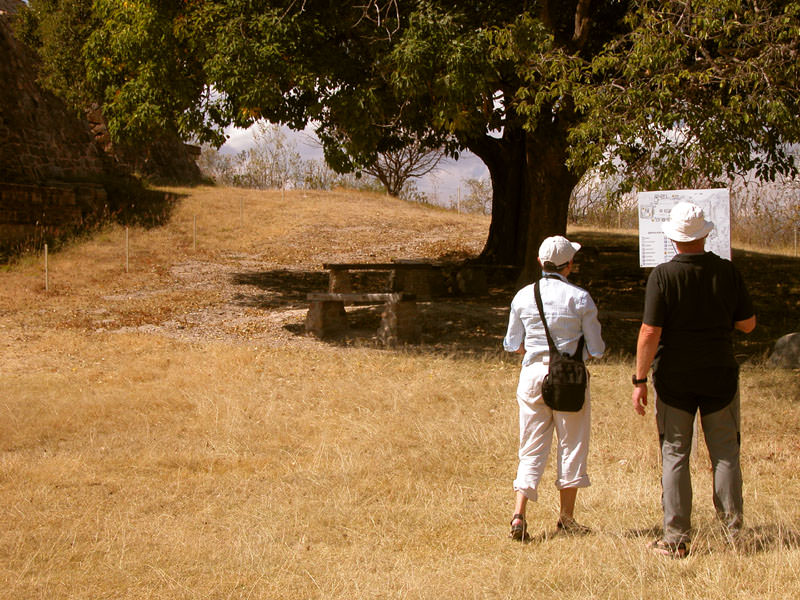
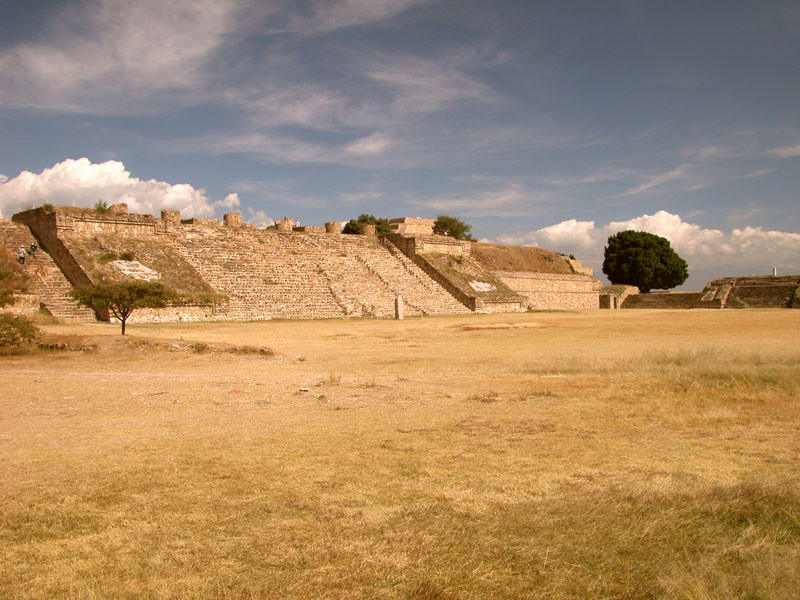
On the site there are also a large number of "danzantes," carvings in stone, most of them depicting naked men — perhaps prisoners who were sacrificed — no doubt to show off the great military power the city of Monte Albán possessed. Some could also depict people with disabilities (autism, Down syndrome...) because these people were thought to be magical beings or shamans.
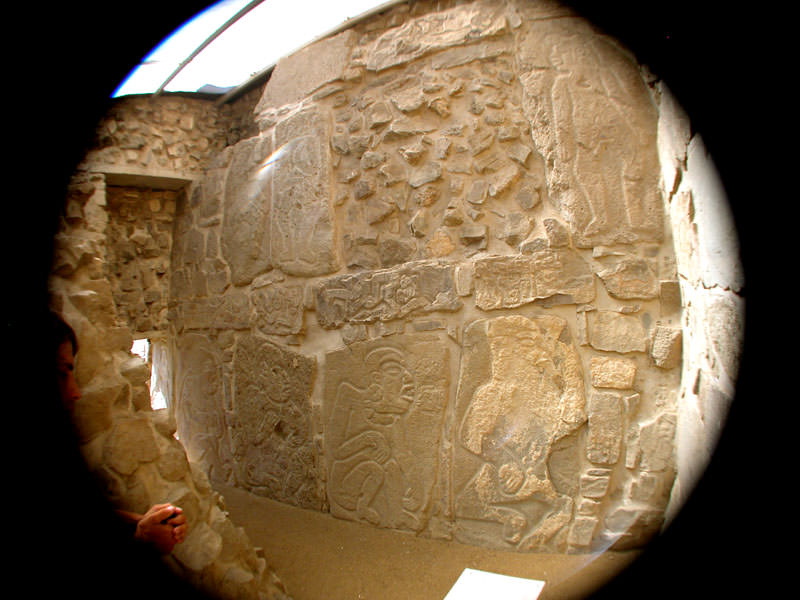
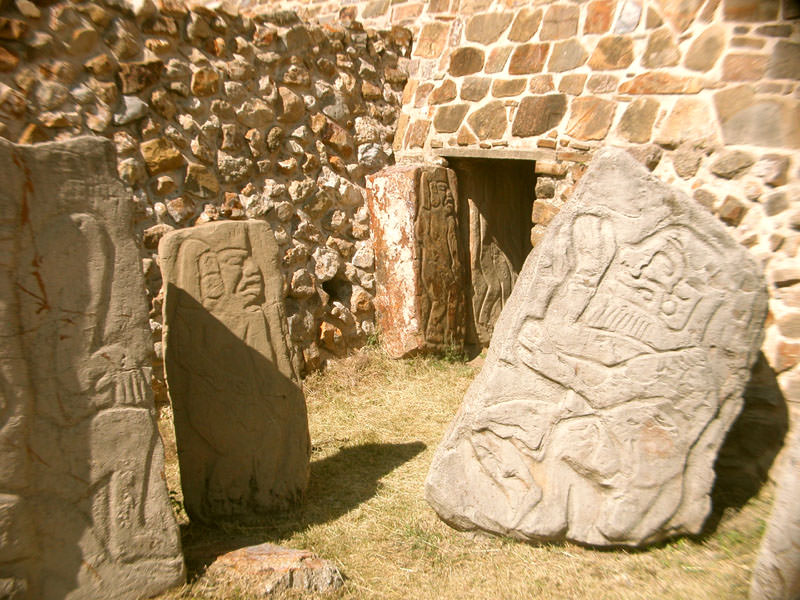
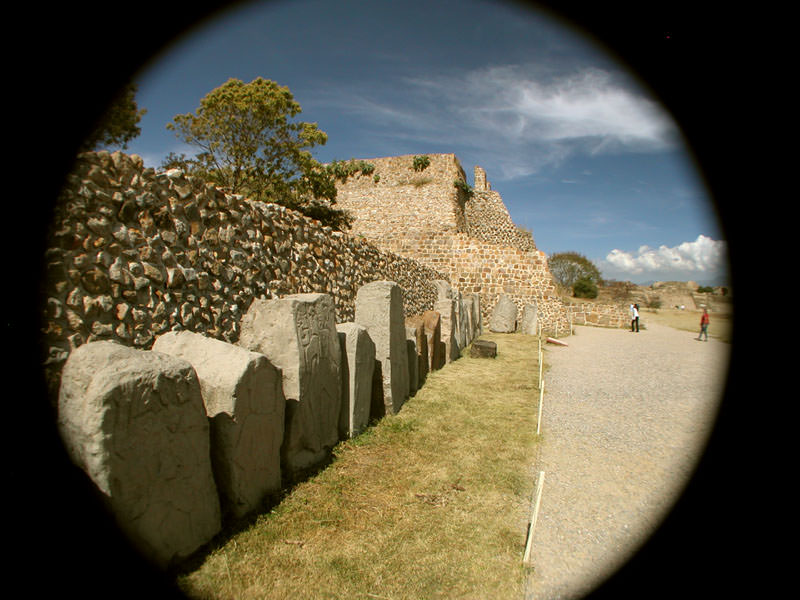
Along with these carvings, you can also find glyphs and dates, which shows that these peoples used a calendar and writing from that time on, and wanted to record and remember certain events.
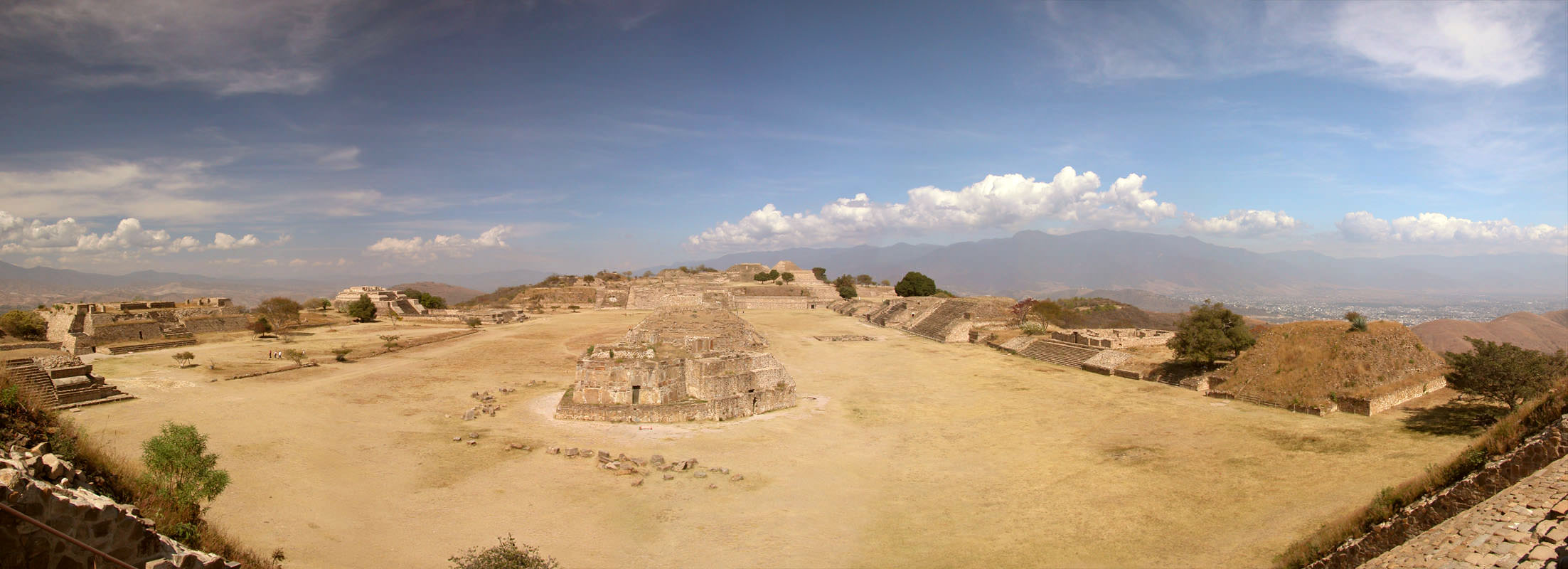
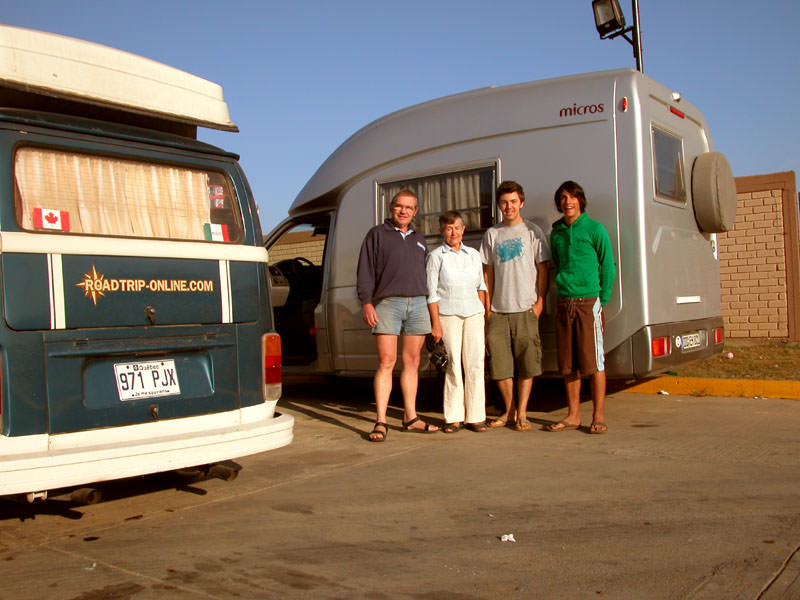
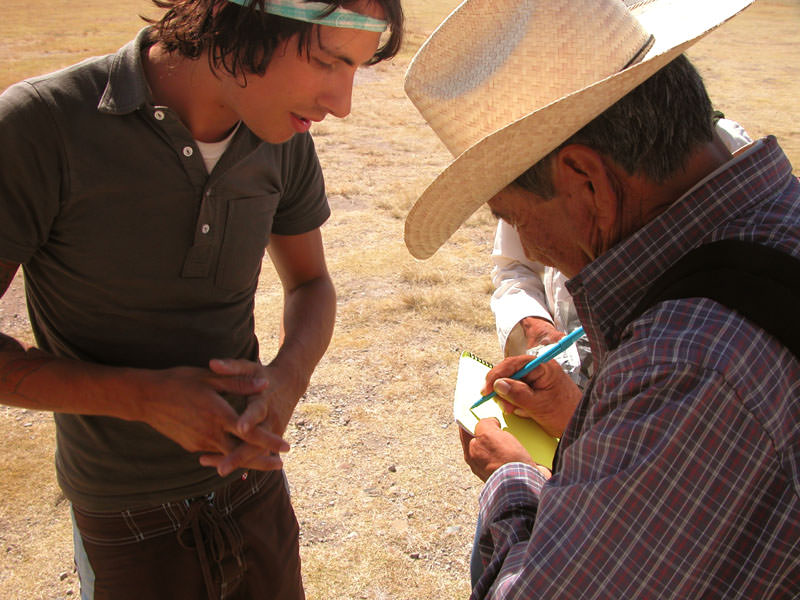
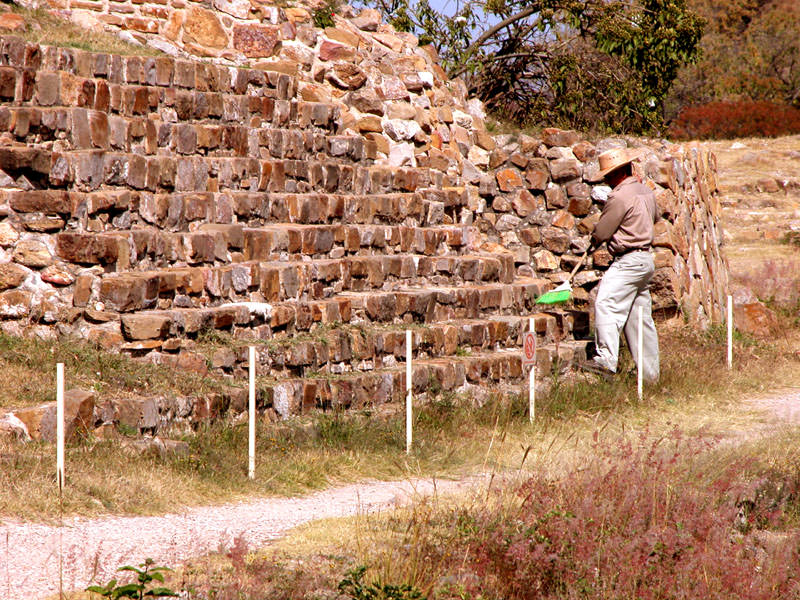
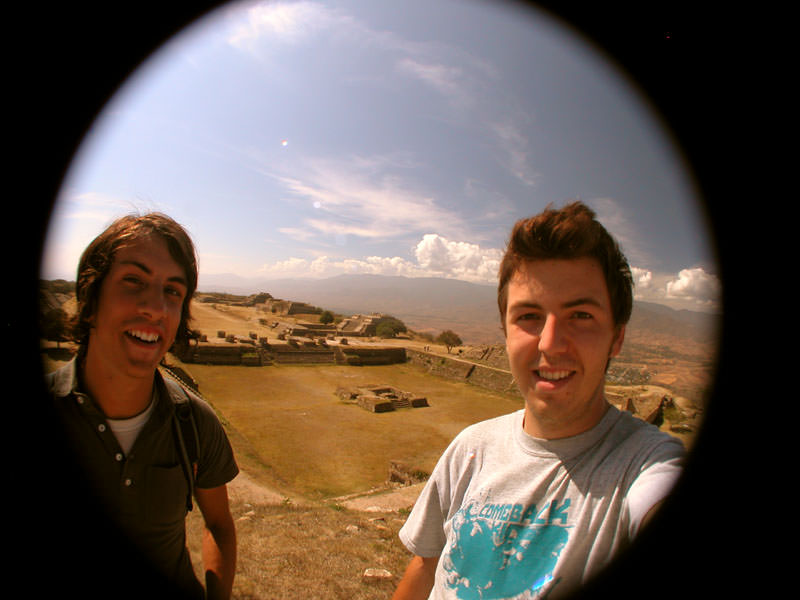
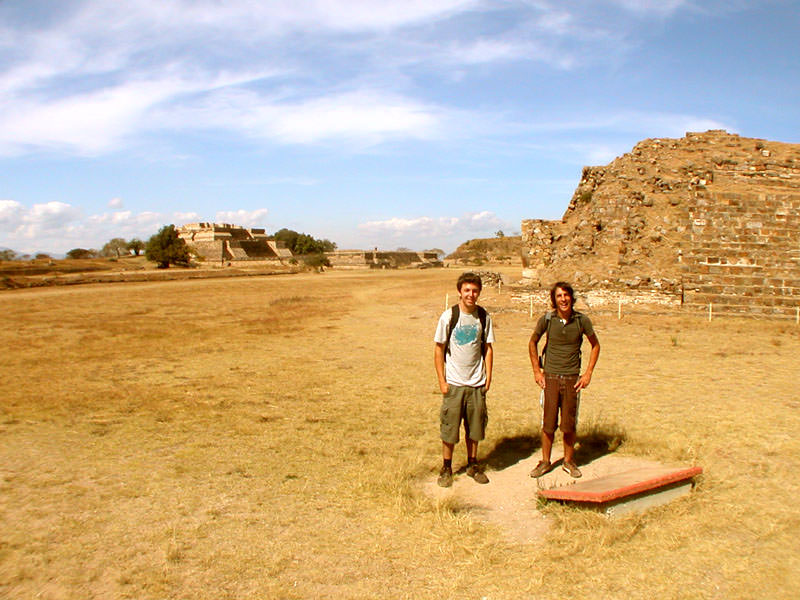
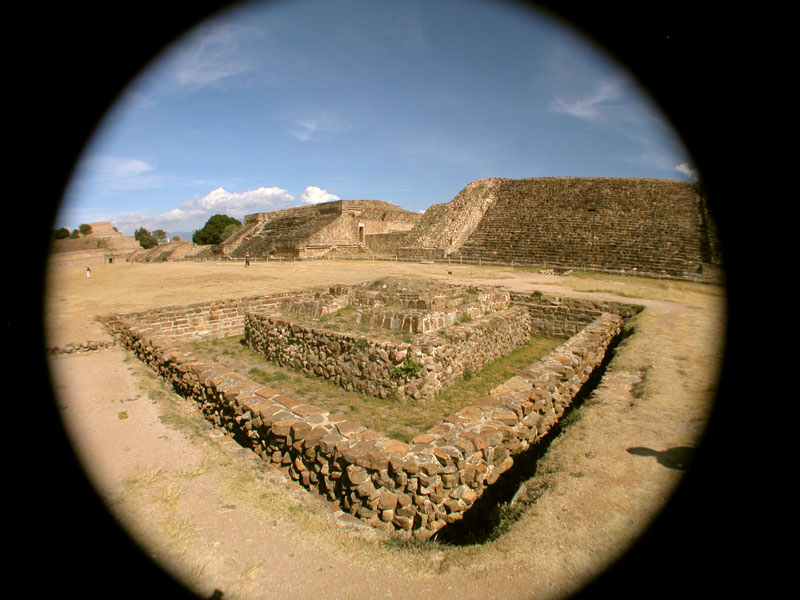
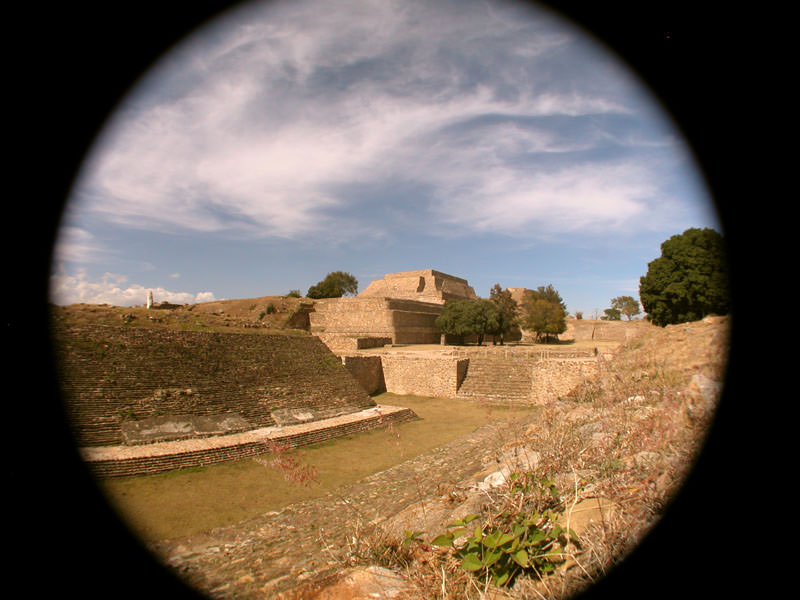
OK, enough history! If you want to know more, go look on the internet. We ran into our friends from Germany there and chatted with them a bit before continuing our visit. This site is truly incredible and still being restored — some buildings still need to be cleared and others restored. It's very well maintained: a man was sweeping in places, while a small crew restored a staircase and another cleared certain areas with machetes.
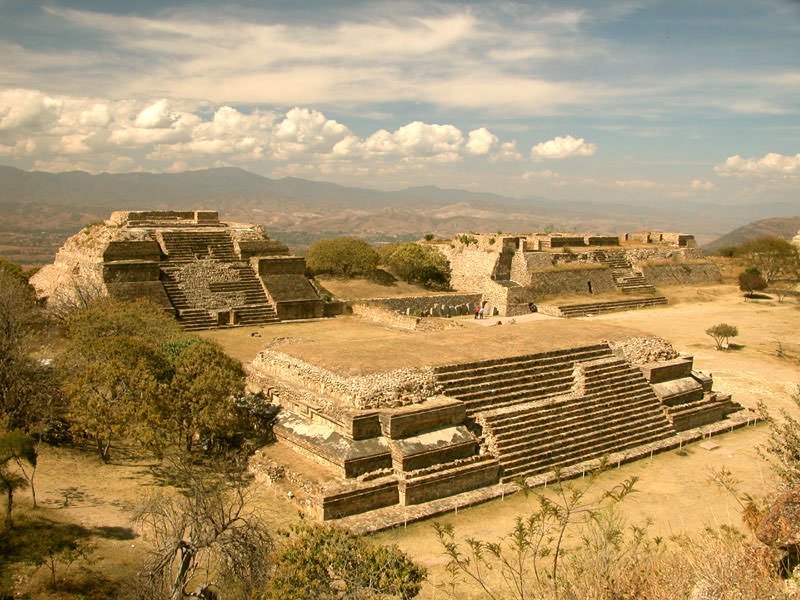
Around 2, we finally finished our visit to this very large archaeological site. We headed back toward Oaxaca to find a grocery store and buy some food, before getting back on the road toward Huatulco, where we found a Pemex to spend the night!